
Cockatiels or Lovebirds: which small parrot should you choose?
Cockatiels or Lovebirds? A comparison of temperament, voice, care and space to choose the small parrot…
 Waiting list
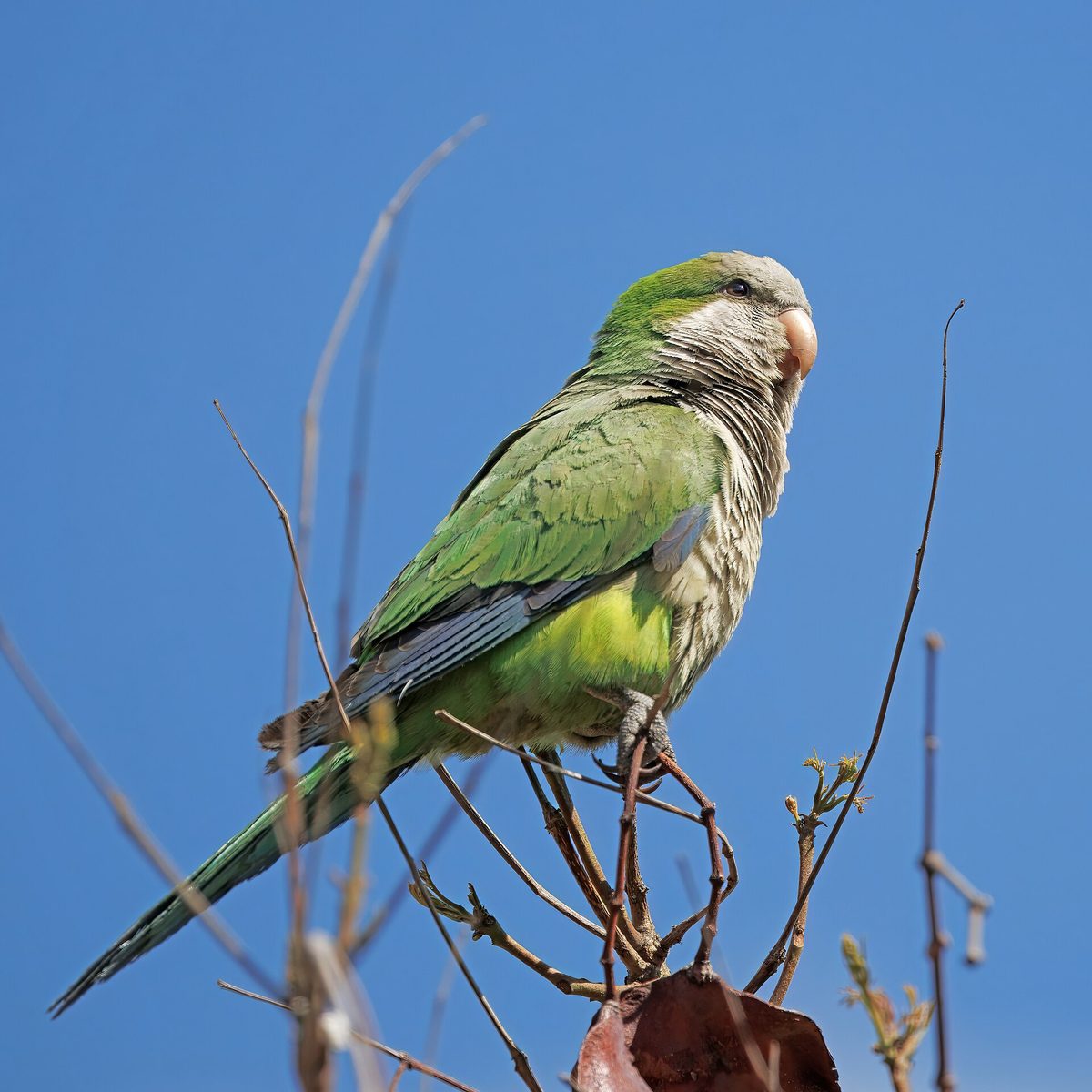
The Monk Parakeet (Myiopsitta monachus) is a medium-sized parrot, friendly and chatty, native to South America. At Code Fatate we breed green and blue Monk Parakeets in Naples, in San Giorgio a Cremano: the chicks grow up at home, hand-reared, and are placed with families all over Italy.
This is the species' original color: bright green back, pearl-gray breast and forehead (hence the name "monk", for the gray "hood"), blue flight feathers and a horn-colored beak.
It is the most sought-after mutation: instead of green it has a uniform sky blue, with a light gray breast and forehead. Temperament and care are identical to the green one, only the color changes.
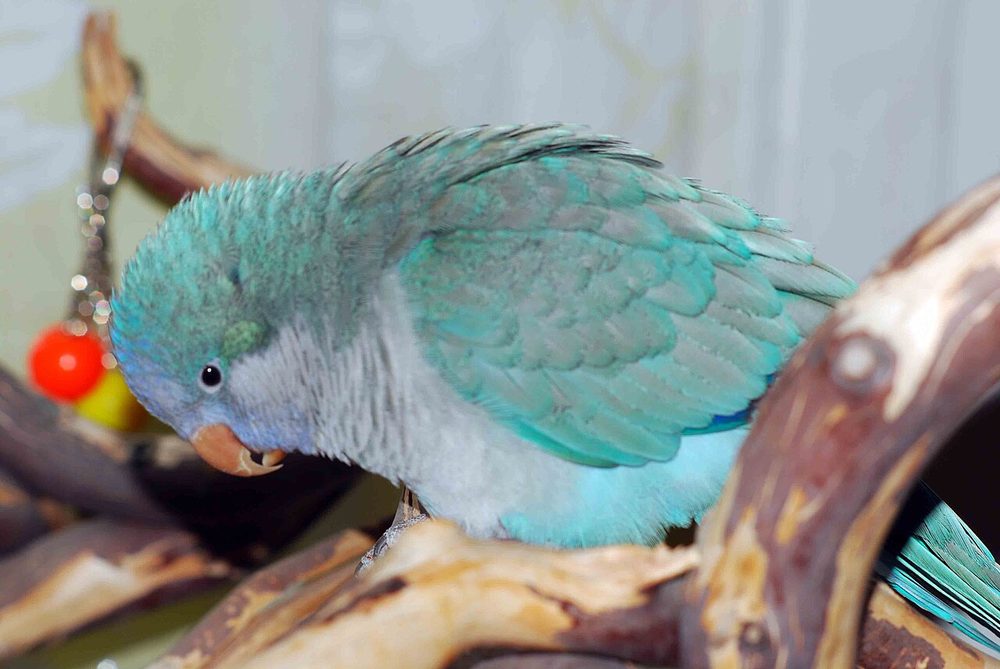
Besides the original green, many colour mutations have been selected in breeding. Temperament, size and care don’t change: only the plumage does.
Not every colour is always available with us. Looking for a particular colour? Write to us on WhatsApp: we’ll tell you which colours are coming soon.
The Monk is lively, curious and very attached to its family. It learns to repeat words and short phrases with a clear voice, and loves to play and be the center of attention. It is also a parrot that makes itself heard: it calls often, especially in the morning and towards evening.
In the wild it is the only parrot that builds large nests of twigs, which is why at home it loves toys it can take apart, cardboard and little sticks to arrange.
A spacious cage with sturdy bars, at least a couple of hours a day out of the cage in a safe room, toys to destroy that you change often, and the company of the family. It is a parrot to keep indoors at all times: it must never be released outdoors.
To find out when the next green or blue chicks are born, join the waiting list, or write to us on WhatsApp. We deliver in Naples, in Campania and all over Italy.
Indian Ringneck Parakeet Breeder · Rosella Parrot Breeder · Cockatiel Breeder · All the Code Fatate parrots
Photo: Charles J. Sharp, CC BY-SA 4.0 · Lee, CC BY-SA 2.0, Wikimedia Commons
Yes, at Code Fatate we breed green and blue Monk Parakeets, hand-reared and raised at home in San Giorgio a Cremano (Naples). We deliver all over Italy.
Only the color: green is the species' original color, blue is a mutation. Temperament, size and care are the same.
Yes, it learns words and short phrases with a clear voice. It is also a vocal parrot, which often calls in the morning and towards evening.
With a correct diet and check-ups with an avian vet it lives 20-30 years.
Cockatiels or Lovebirds? A comparison of temperament, voice, care and space to choose the small parrot…
Which parrots talk the most? African Grey, Amazon, Cockatiel and Lovebird compared for their ability to imitate…
How much does an African Grey parrot cost and what does the price depend on? Here is what to consider before buying.
 Chinchilla PersianWaiting list
 British LonghairWaiting list
 Yorkshire TerrierWaiting list
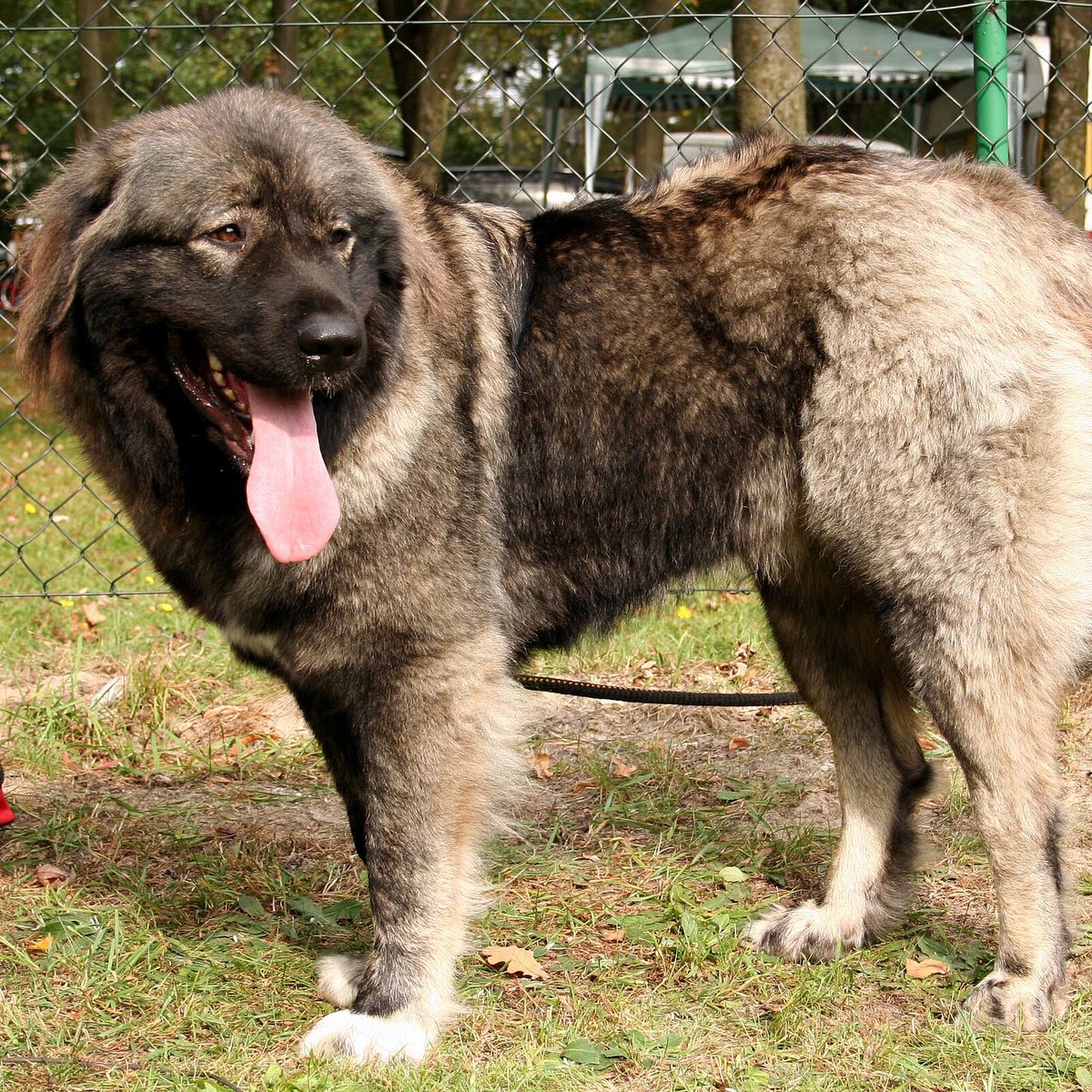 Pastor of the CaucasusWaiting list
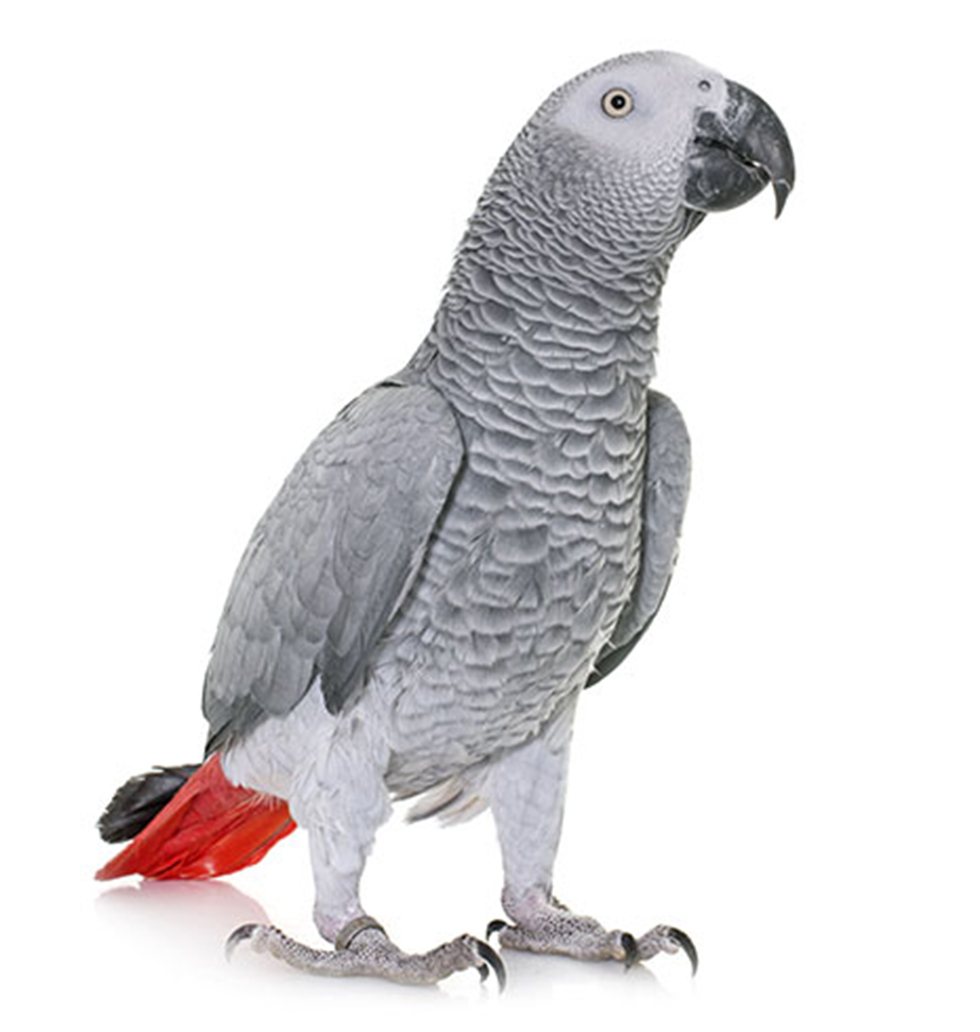 African GreyWaiting list
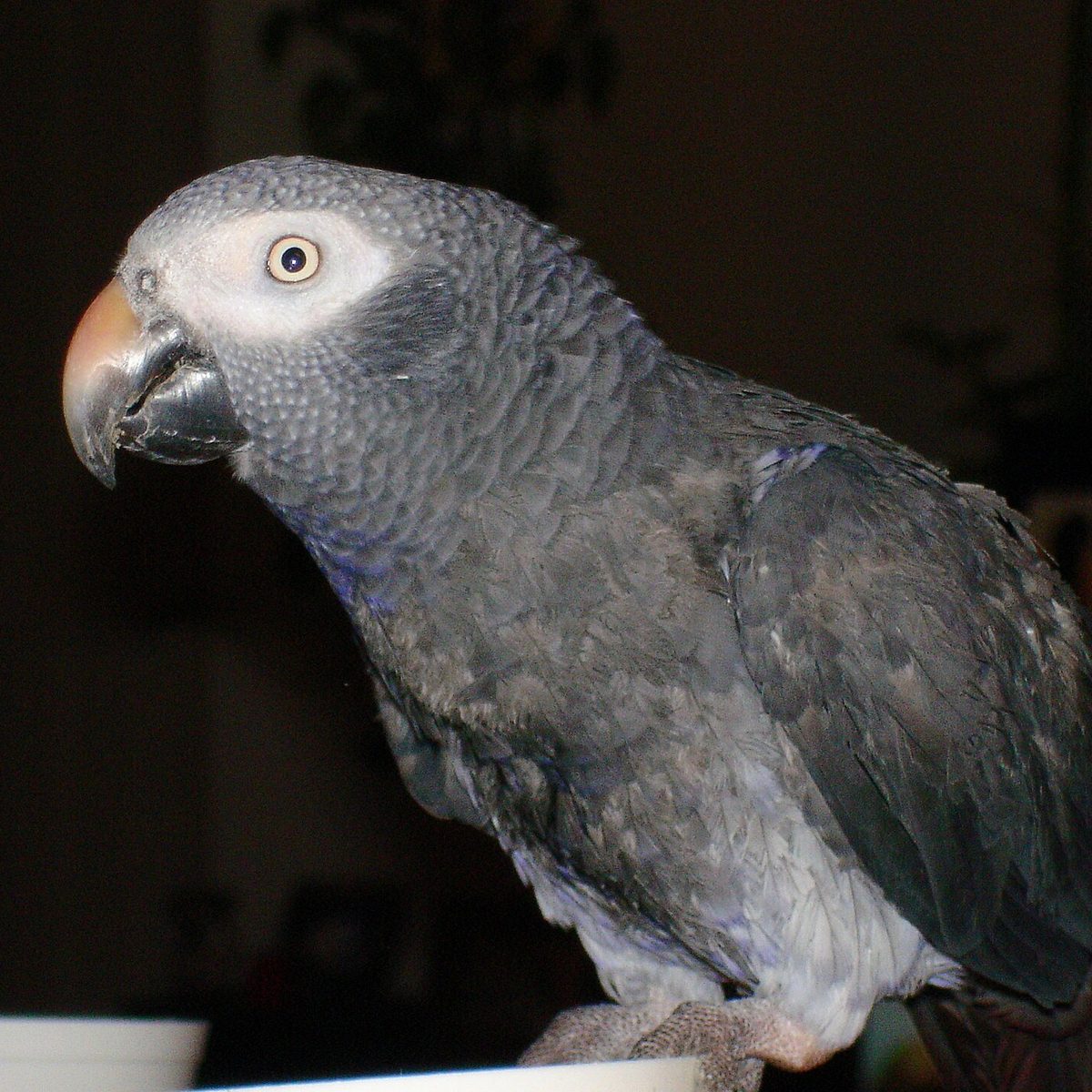 Timneh African GreyWaiting list
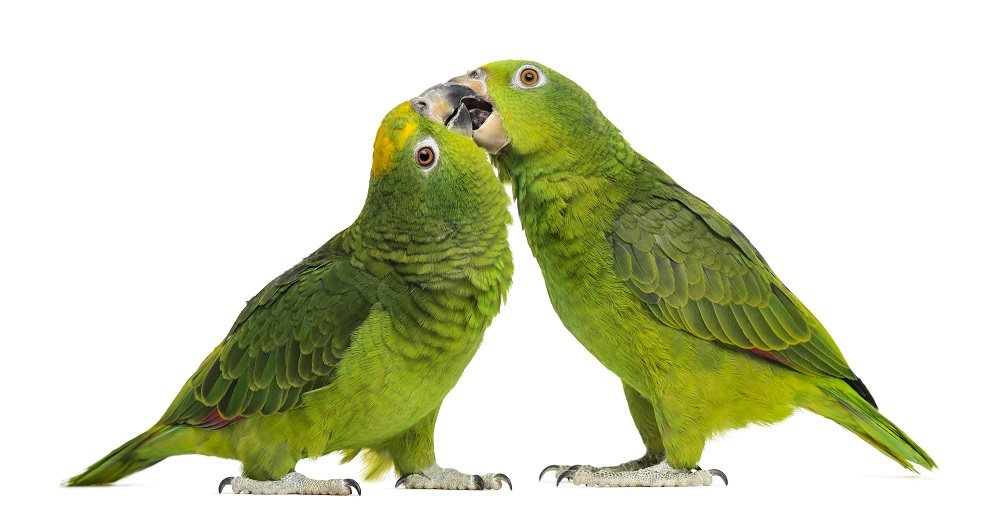 AmazonsWaiting list
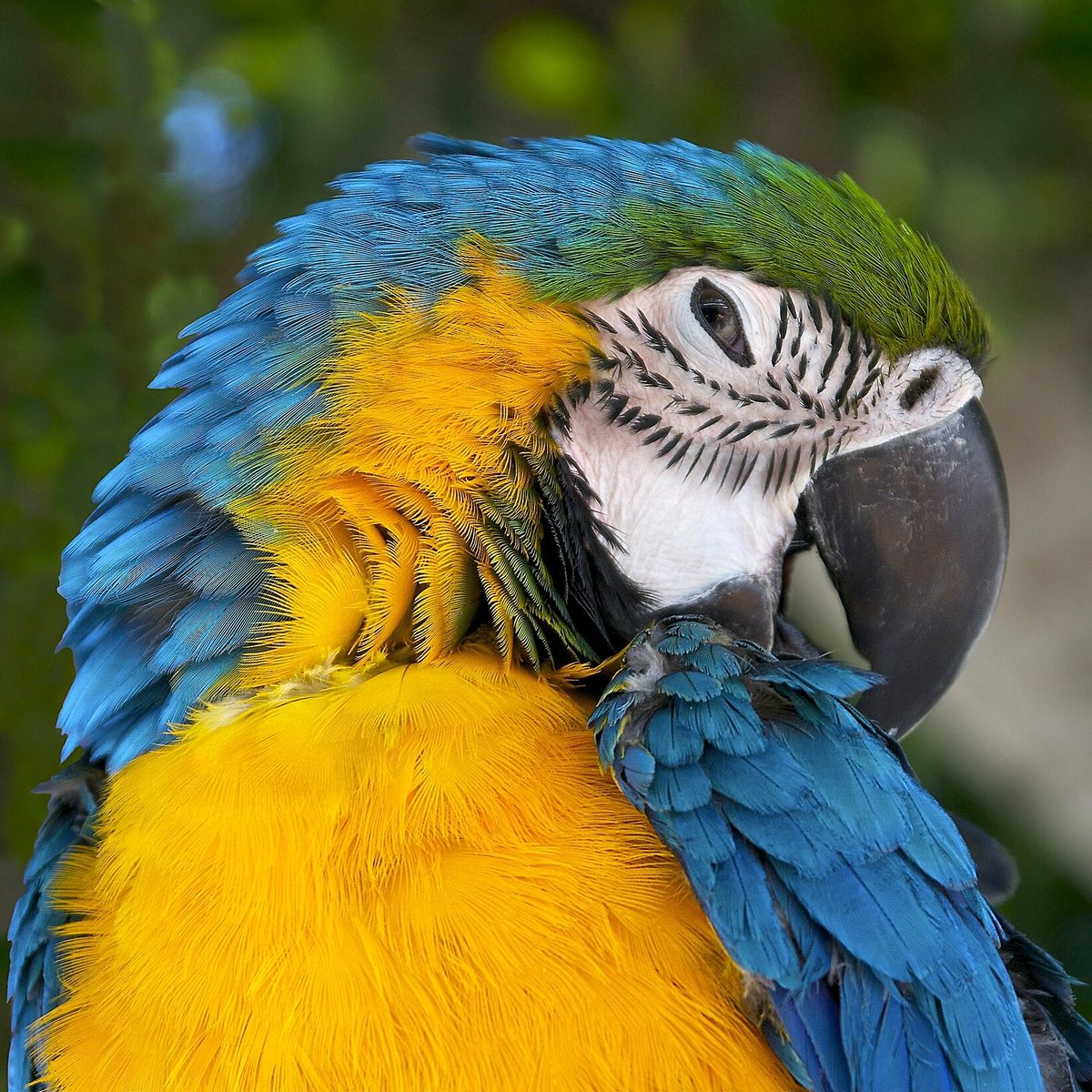 MacawsWaiting list
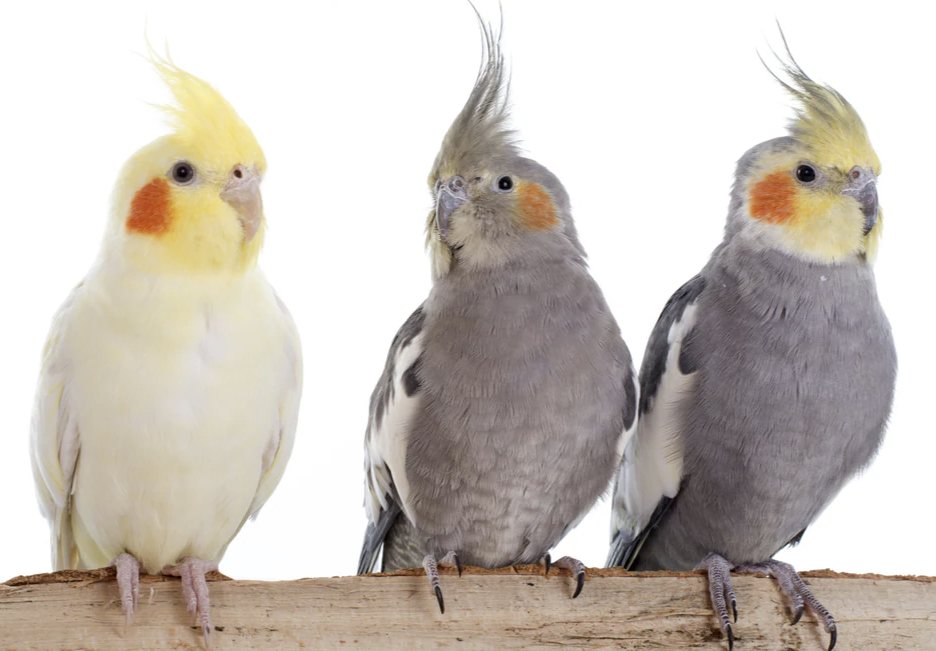 CockatielsWaiting list
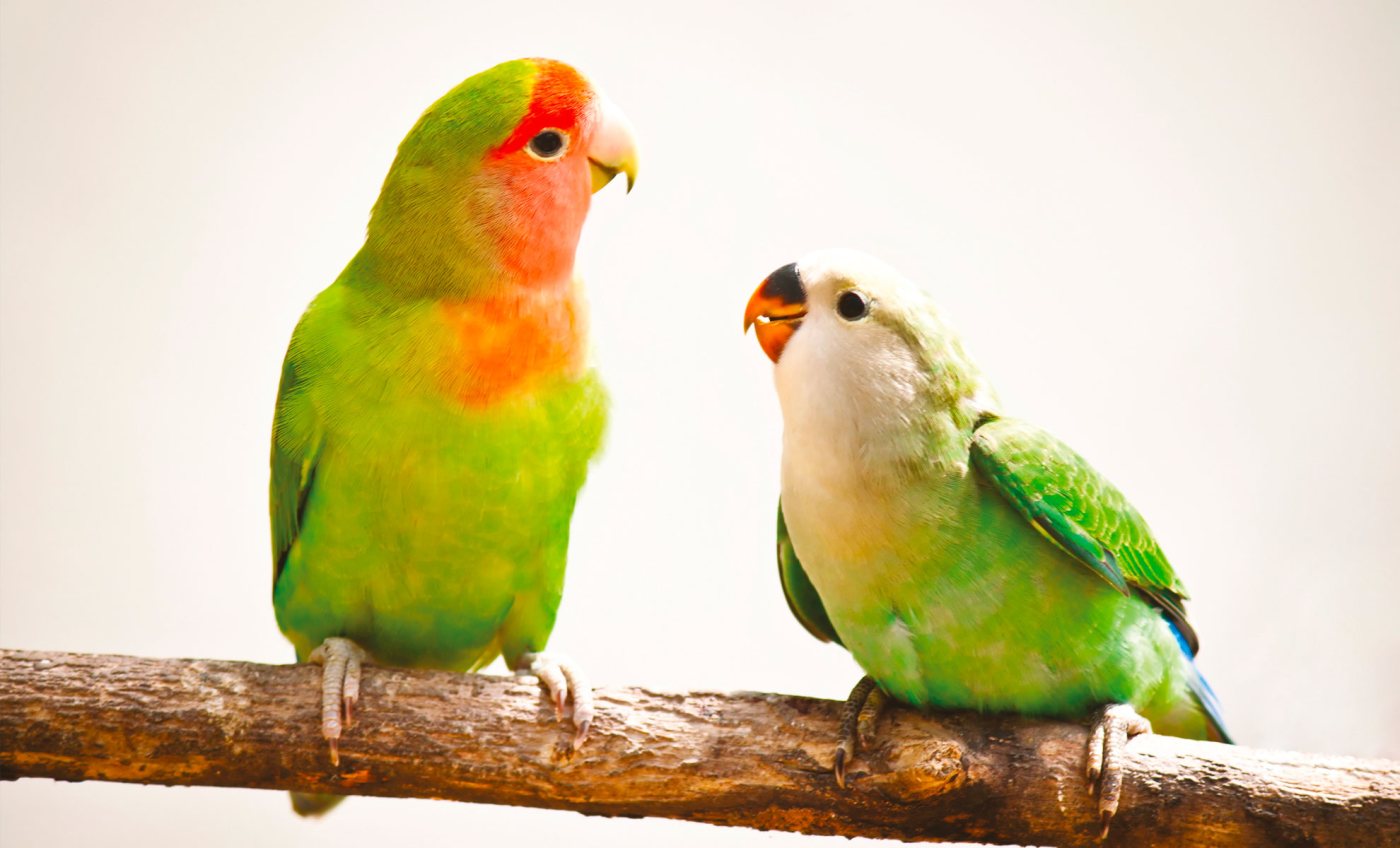 LovebirdsWaiting list
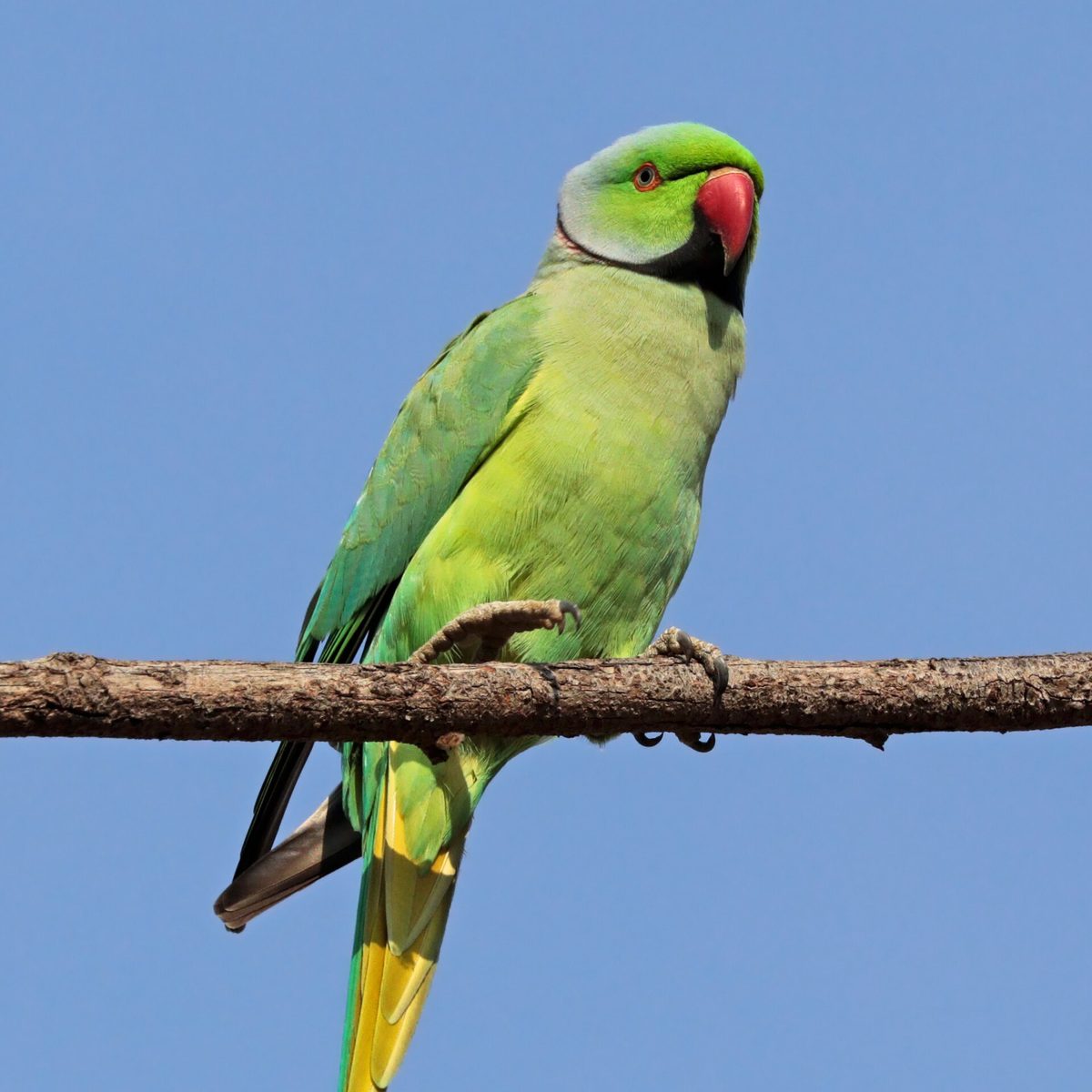 Indian Ringneck ParakeetWaiting list
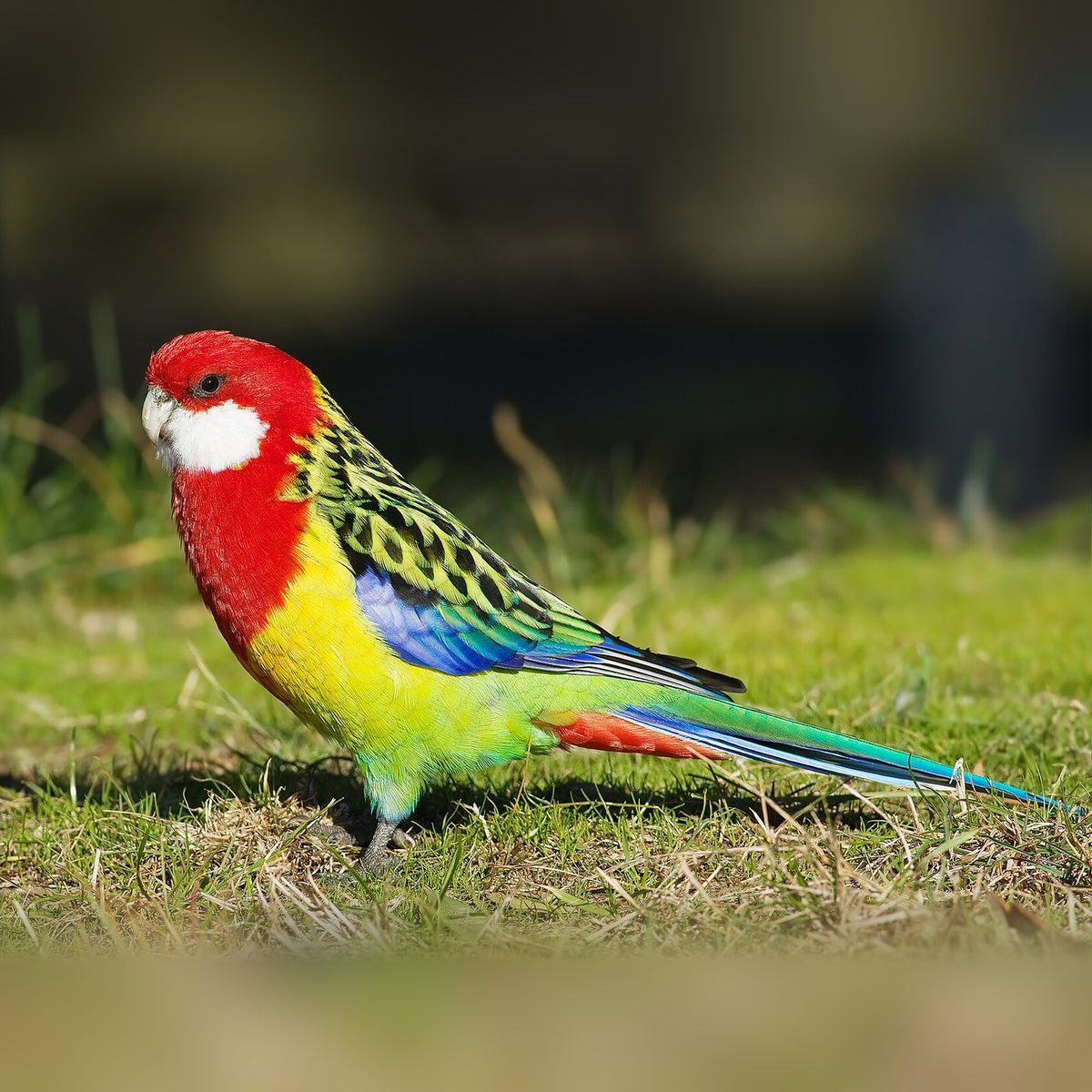 RosellaWaiting list
