British Longhair or Chinchilla Persian: which cat should you choose?
British Longhair or Chinchilla Persian? Differences in temperament, coat, care, health and price to choose the…
 Waiting list
Code Fatate is a hobby breeder of British Longhair cats in San Giorgio a Cremano, on the edge of Naples. Our British Longhair kittens are born and raised at home with Claudia's family, have their pedigree, and go to their new homes healthy, socialised and with all their paperwork in order, in Naples, in Campania and throughout Italy.
For us, breeding is not a job but a passion: every cat lives with us as part of the family. Here is what you get with a Code Fatate British Longhair kitten.
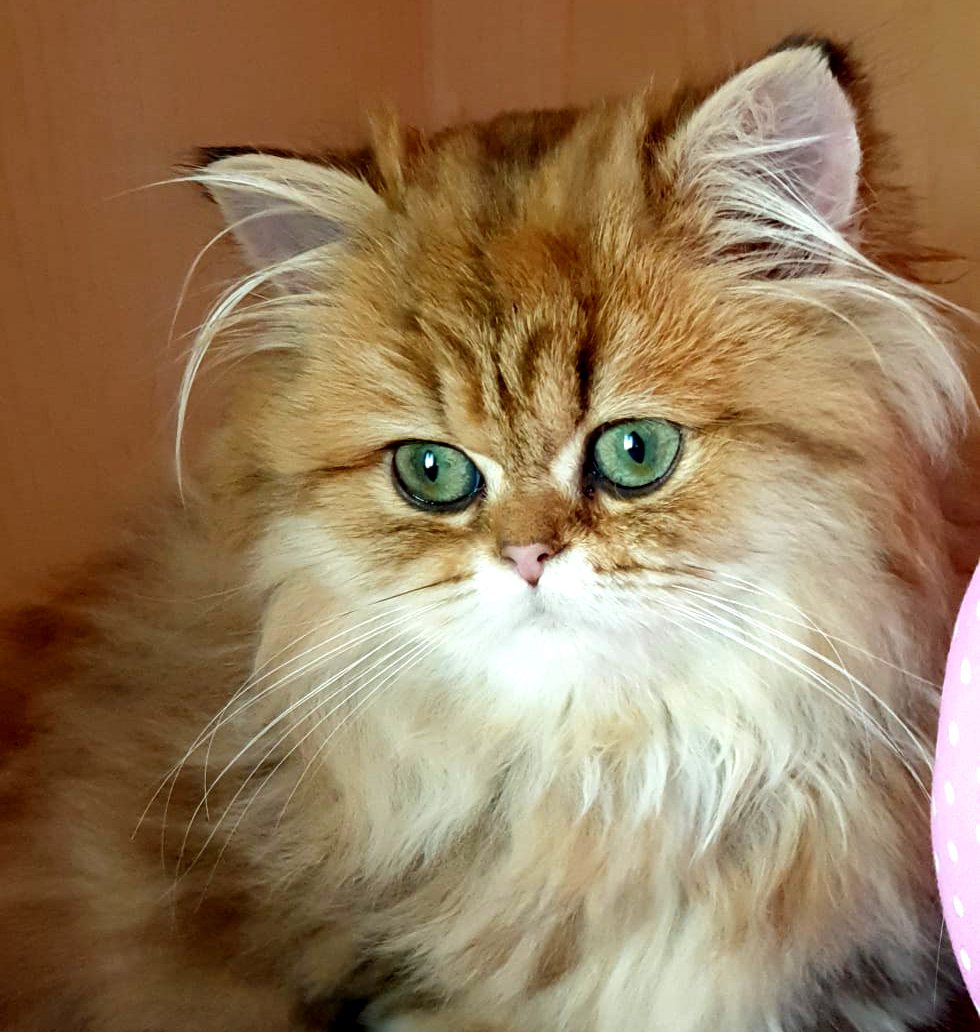
The British Longhair is a charming and refined cat breed, appreciated for its soft, voluminous coat and its sweet, affectionate nature. Derived from the better-known short-haired variety, the British Shorthair, this breed stands out for its long, silky coat, which gives it a majestic, regal look.
The British Longhair cat originated in Great Britain and is the result of crosses between the British Shorthair and long-haired cats such as the Persian, to introduce the long-hair gene. These crosses were made mainly after the Second World War, when people were trying to rebuild the genetic stock of British cats. The breed has kept the sturdy build of the British Shorthair, but with the advantage of a long coat, which gives it a unique and unmistakable charm.
The British Longhair is a medium-sized cat, sturdy and muscular. It has a compact, toned body, with a large round head and big, lively eyes that give it a sweet, friendly expression. Its coat is long, thick and dense, with a soft undercoat that needs regular care to stay beautiful.
The British Longhair comes in a wide range of colours and patterns, which makes it one of the most versatile breeds in terms of variety of looks. The main colours include:
This wide variety of colours makes the British Longhair a cat that is always unique and sought after, both for its looks and for its sweet personality.
The British Longhair is known for its balanced, affectionate nature. It is a calm, reserved breed that adapts easily to home life and to families. Although independent, it enjoys the company of its family and becomes very attached to its owners, showing a discreet but deep devotion.
The British Longhair's long coat needs regular care to prevent tangles and keep the fur soft and shiny. We recommend brushing it at least two or three times a week, especially during shedding periods, to remove dead hair. Besides coat care, it is important to pay attention to basic hygiene such as cleaning the ears and trimming the nails.
If you are looking for an elegant, affectionate and discreet cat, the British Longhair is the perfect choice. Its sociable, calm nature makes it an ideal companion for anyone who wants a cat that adapts easily to home life without being too demanding of attention. With its regal coat and its affectionate yet independent personality, this cat will win the heart of the whole family.
In our hobby cattery, we breed British Longhairs with passion and care, guaranteeing healthy, well-socialised kittens with a balanced temperament. If you would like to add a sweet, special companion to your family, the British Longhair is ready to give you years of love and affection.
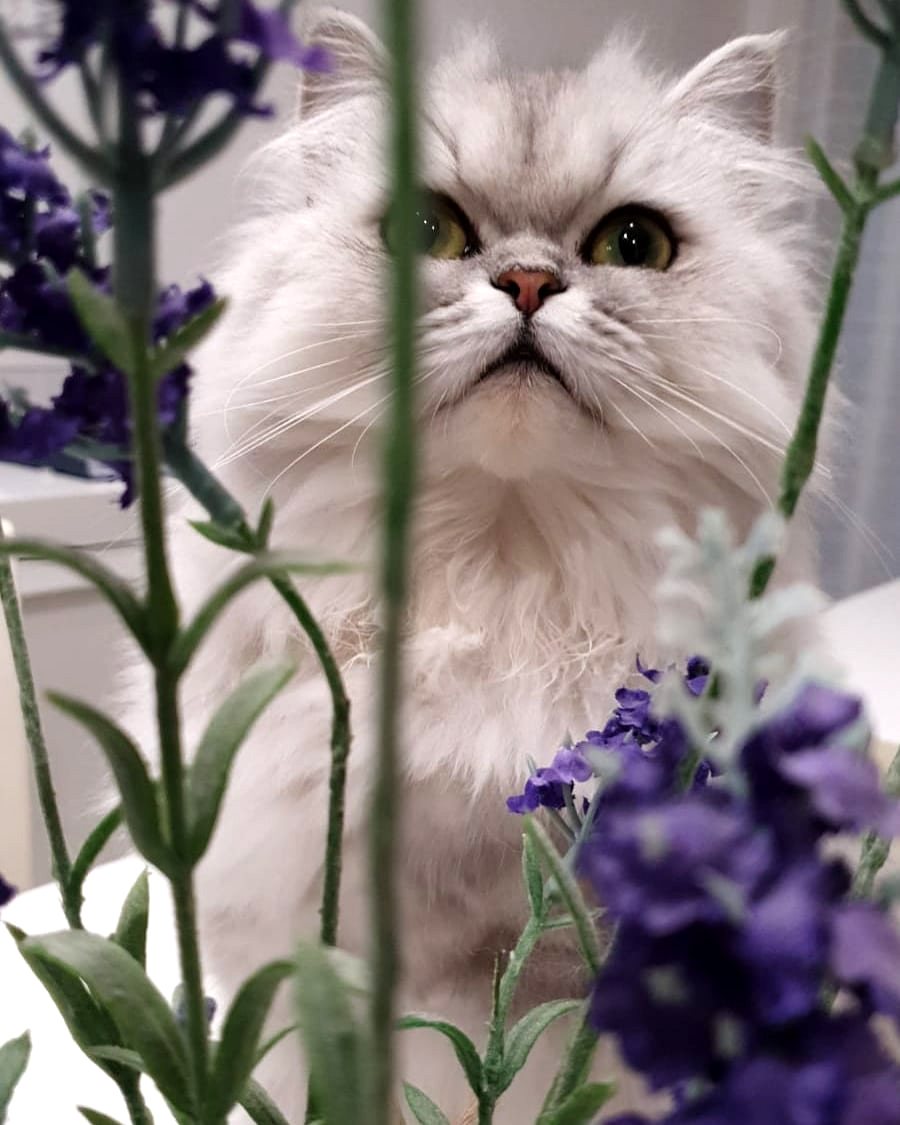
We breed both, and the question we are asked most often is: what is the difference between the Persian Chinchilla and the British Longhair? Both are calm, long-haired cats that are perfect for apartment life, but they differ in looks, temperament and everyday care.
| Feature | Chinchilla Persian | British Longhair |
|---|---|---|
| Origin | A variety of the Persian, developed in England in the late 19th century | Great Britain: it comes from the British Shorthair crossed with the Persian to get the long coat |
| Head and face | Short face, small nose, doll-like expression | Large, round head, full cheeks, teddy-bear expression |
| Body | Compact, medium bone structure | Strong and muscular, medium to large size |
| Coat | Very long and silky, white with only the tips silver or gold | Long and dense, with an undercoat; many colours: blue, lilac, cream, bicolour, tabby, colourpoint |
| Eyes | Emerald green, rimmed in black | Large and round: copper, orange, blue or green depending on the coat colour |
| Temperament | Calm and very sweet, loves peace and quiet and cuddles | Balanced, affectionate but independent, patient with children and other pets |
| Coat care | Daily brushing and eye cleaning | Two or three brushings a week, more during shedding |
| Life expectancy | 12–16 years | 12–16 years |
| Ideal for | People with time for daily grooming who want a sofa cat | People with less time for grooming, and families with children |
In short: Chinchilla Persian: the most elegant and cuddly cat, but it needs brushing every day. British Longhair: sturdier and more independent, and needs less grooming time. The full comparison is in our guide British Longhair or Chinchilla Persian: which cat should you choose?. Still not sure which one is right for you? Message Claudia on WhatsApp: she will tell you about the temperament of the kittens of both breeds.
Every British Longhair colour and pattern (code BLH) has an EMS code, the same one you find on the pedigree. Here are the main colours with their respective codes.
Bicolours combine white with another solid colour.
These colours apply mostly to females, where the colours mix in patches.
Tabbies have a pattern of stripes or spots on the body. Tabby codes include a base colour followed by the pattern type.
Colorpoint cats have dark points on the face, ears, paws and tail. The codes are similar to those of solid colours, but add the number “33” to indicate the point colouring.
Smoke cats have a dark colour on the upper part of the coat and a light base underneath. Shaded cats look similar but with a more delicate gradation towards the tip.
Tipped cats have a white or very light coat with only the tips coloured. The codes include:
A few examples of codes that combine patterns, colours and tips:
These codes let you identify the combinations of colours and patterns of the British Longhair precisely. Thanks to the wide variety of options, this breed is truly unique and fascinating for cat lovers.
The main difference is the length of the coat: the British Longhair has a long, silky coat, while the British Shorthair has a short, dense one. Temperament and sturdy build are very similar.
Yes, it is a cat with a balanced, calm and affectionate nature that enjoys company without being intrusive.
At our hobby cattery Code Fatate in San Giorgio a Cremano (Naples) we breed British Longhair kittens, with shipping and contacts throughout Italy.
The price depends on the colour, the sex and the bloodline of the parents. Write to Claudia on WhatsApp: we will give you the price of the available litter, with pedigree, vaccinations and health booklet included.
Our kittens go home after 12 weeks, weaned, with their first vaccinations and their paperwork in order.
It has a long coat with a thick undercoat, so it sheds mainly during the moult. Brushing it two or three times a week prevents tangles and hair around the house.
It is a sturdy breed: with a proper diet and regular vet check-ups it lives 12-17 years on average.
British Longhair or Chinchilla Persian? Differences in temperament, coat, care, health and price to choose the…
Are you about to adopt a British Longhair kitten? Here is what to consider for a calm, confident choice and…
Character, care and origins of the British Longhair, the long-haired variant of the British Shorthair: an…