Talking parrots: which species are best suited
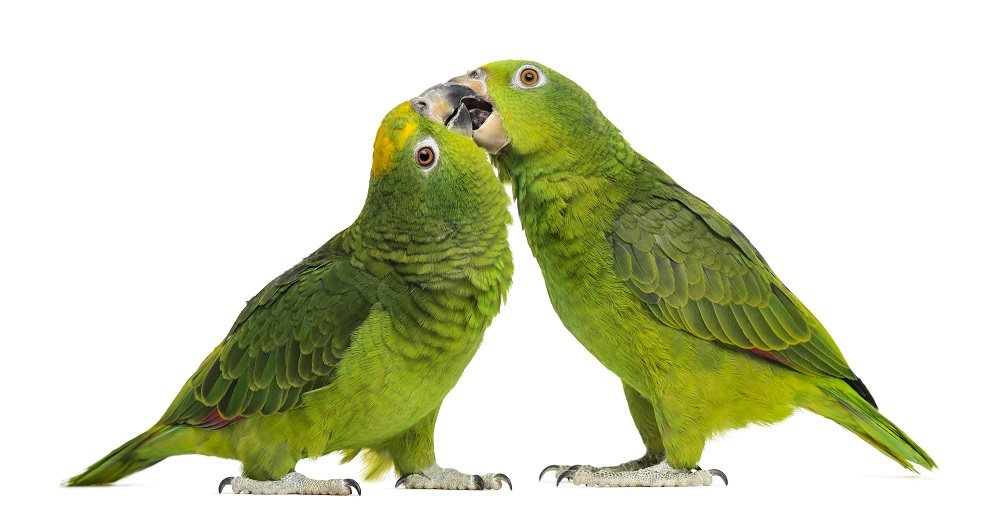
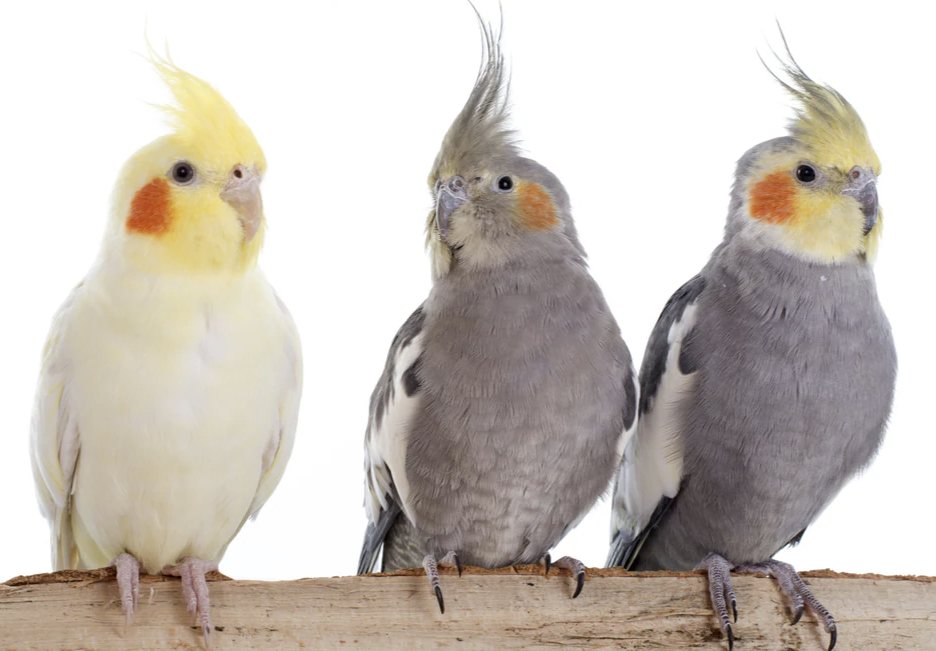
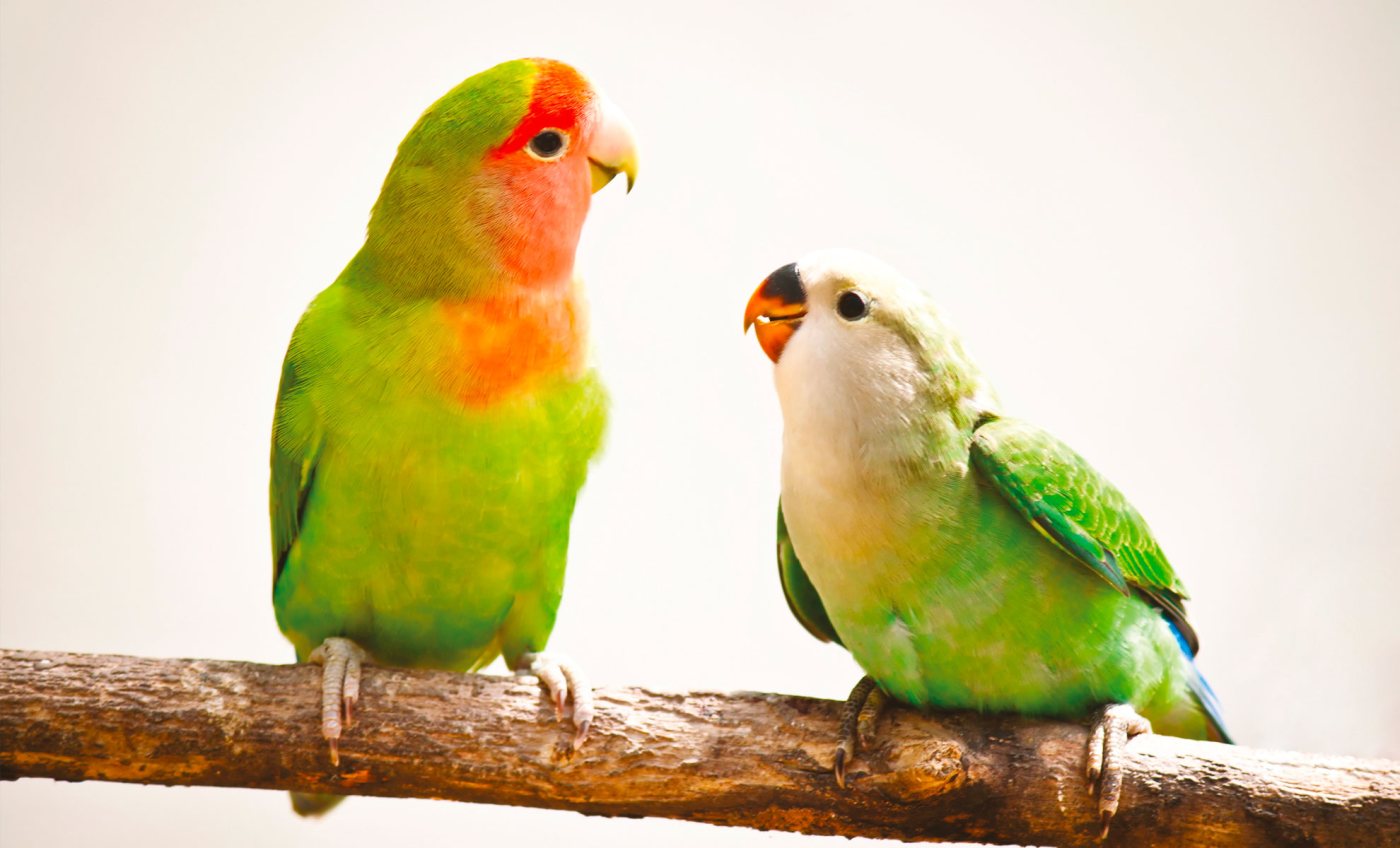
Which parrots talk the most? African Grey, Amazon, Cockatiel and Lovebird compared for their ability to imitate…
 Waiting list
The African Grey Parrot, also known as the Grey Parrot (scientific name: Psittacus erithacus), is one of the most fascinating and intelligent parrots in the world. Native to the equatorial regions of Africa, this bird is appreciated not only for its beauty, but above all for its exceptional cognitive abilities and its skill at imitating the human voice. Adopting an African Grey means welcoming a loving, very intelligent lifelong companion, able to build a deep bond with its owner.
The African Grey Parrot is native to the rainforests of central and western Africa, in particular countries such as Ivory Coast, Ghana, Cameroon, the Democratic Republic of the Congo and Angola. It lives in primary and secondary forests, but can also adapt to wooded savannas and scrubland. In the wild, these birds live in large flocks, perching in tall trees and moving around in search of food such as fruit, seeds, nuts, berries and flowers.
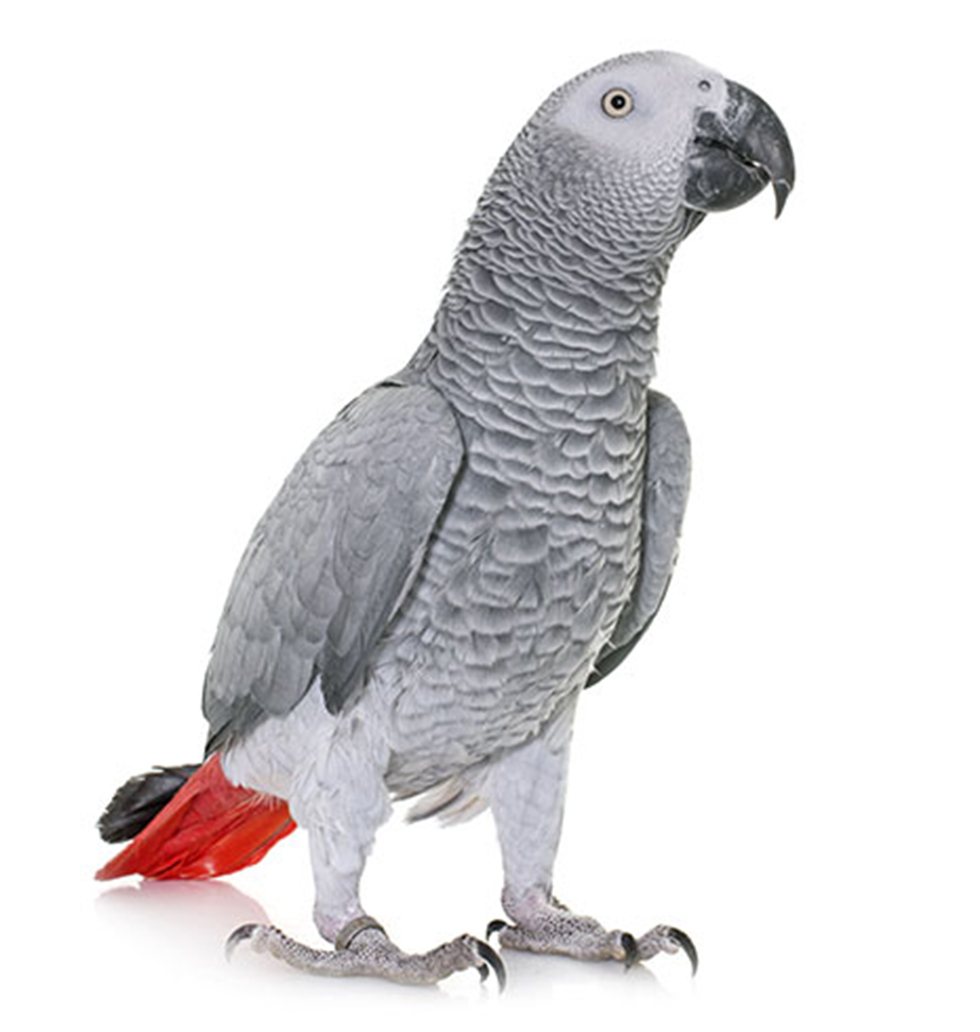
The African Grey Parrot has an unmistakable appearance:
The African Grey Parrot is universally recognised as one of the most intelligent birds in nature. Its cognitive abilities are comparable to those of a 5-year-old child. This makes it extremely curious, interactive and communicative, but also in need of constant mental stimulation.
A balanced diet is essential to keep the African Grey Parrot in good health. Their diet in the wild is varied and includes fruit, seeds, nuts and vegetables. In captivity, we recommend offering:
Avoid harmful foods such as chocolate, caffeine, alcohol, avocado and foods that are too fatty or salty.
Owning an African Grey takes commitment, patience and a good measure of love. Some important aspects of its care include:
The African Grey Parrot is a long-lived companion. In ideal conditions, these birds can live up to 50-60 years. For this reason, it is essential that future owners are aware of the long-term commitment that adopting an African Grey involves.
The African Grey Parrot is prone to several illnesses common in pet birds, including:
Regular vet check-ups and a healthy, stimulating environment are essential to keep the African Grey healthy.
At our Code Fatate Hobby Breeder, we are dedicated to the selection and breeding of high-quality African Grey parrots. Our mission is to make sure every parrot grows up in a loving, stimulating environment, preparing them to become happy, well-adjusted companions for their new families.
Our African Greys are bred with care and attention, socialised from a young age and used to interacting with people. We are proud to give our parrots an upbringing that stresses the importance of human interaction, stimulating their cognitive and communication skills.
Every African Grey for sale comes with complete health documentation, including vaccinations and feeding information. We also support new owners, providing advice and resources to ensure a smooth transition into their new home.
The African Grey Parrot is a one-of-a-kind companion, offering not only beauty and company, but also deep mental and emotional interaction. However, it is essential to understand that caring for it takes time, patience and dedication. If you are willing to offer all this, the African Grey will repay you with years of love, laughter and incredible conversations.
Visit our Code Fatate cattery and meet your future companion!
Yes, the African Grey (Grey Parrot) is considered among the most intelligent parrots in the world and is able to imitate the human voice with great accuracy.
With proper care the African Grey can live even beyond 50 years, becoming a long-term lifelong companion.
Yes, we raise our parrots with care and dedication so that they are well socialised and used to contact with people.
Which parrots talk the most? African Grey, Amazon, Cockatiel and Lovebird compared for their ability to imitate…
How much does an African Grey parrot cost and what does the price depend on? Here is what to consider before buying.
The African Grey parrot is among the most intelligent parrots in the world. Discover its temperament, care, diet and…